
Elevating Your Documentary Cinematography: 5 Unique Strategies
As important as making your first short film is to refining your craft and gaining experience, the reality is that our first film or two is never going to be all that ground breaking, and while it may be well received, looking back on it a year or two later the perfectionist inside you is not going to be all that impressed, as by the time a film is finished and released, we’ve already grown so much as filmmakers.
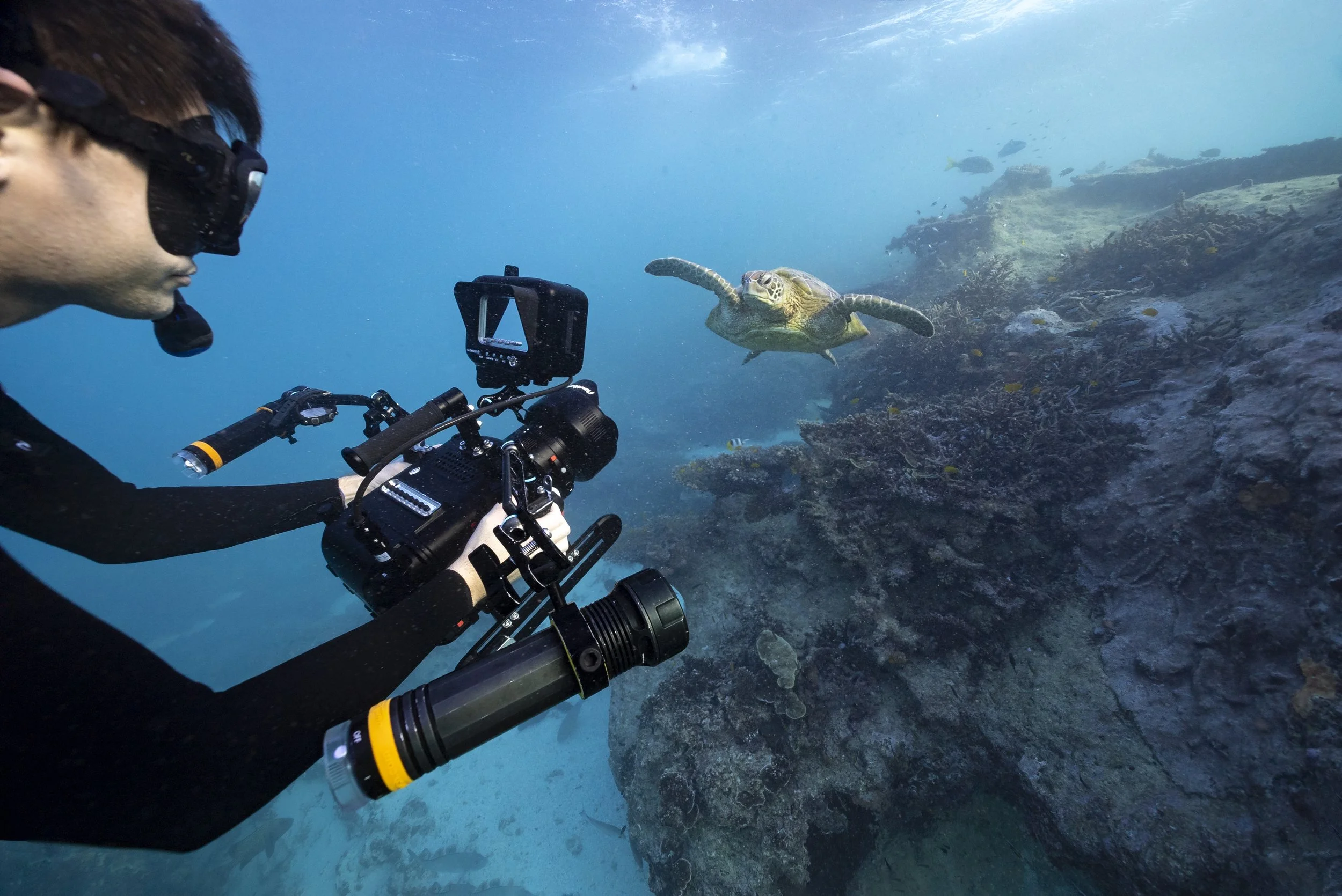
Here are 5 unique strategies to elevate your documentary cinematography to the next level. If you're looking to break away from the ordinary and make your cinematography stand out, maybe a few of these tips can help.
1. Develop an Expertise in Sub-Niches
The first strategy is to develop an expertise in sub-niches.
Instead of just diving into the broad realm of documentary cinematography, choose sub-niches that fascinate you. Become an expert in those areas, while its common for filmmakers and videographers to be jack of all trades as they start out, this approach to filmmaking doesn’t let you explore creative niches, and really develop a creative style to a key area of cinematography. It’s great to provide an overall view into all aspects of filmmaking, and it may be key to your work, but when diving into creating a short film you should use this as an avenue to explore a sub niche you wish to really master. As in higher end productions, producers and directors are looking for experts in sub niches, rather than a jack of all trades master of none.
For instance, if you're passionate about environmental issues, focus on sub-genres like climate change, wildlife conservation, or underwater cinematography. Becoming a specialist in a niche allows you to capture unique stories and build a reputation as the go-to cinematographer for that specific subject matter.
Being known as an expert in a particular field will open far more doors in higher end productions for you. Your specialized knowledge can lead to extraordinary opportunities and collaborations with film crews looking to leverage your specific expertise.
2. Signature Aesthetic Style
Number 2 is to create a signature aesthetic style.
Your cinematography should be more than just capturing moments—it should tell your signature story. Develop your unique aesthetic style. Whether it's a distinct color palette, framing, or camera movement, it's about making your work instantly recognizable. If your footage has a signature look, producers and directors will recognise this, and it will make you stand out from the crowd. If you have followed my channel for a while, you’ll know that I personally put a significant amount of energy into perfecting my underwater colours, and I have been told by a number of people in the field that my work is easily recognisable solely based off this alone and the vibrant yet natural feel I strive for.
But a signature style can be anything, Let's say you decide to adopt a cinematic, vintage-inspired style for your documentaries. By consistently using specific filters, color grading, and camera movements, you're adding a layer of depth and personality to your work. Audiences will come to associate your style with your storytelling, and your work will stand out in a sea of documentaries.
3. Personal Connection with Subjects
Number 3 is building personal connection with you subjects.
Building deep connections with your documentary subjects can take your cinematography to new heights. Instead of being just an observer, become an active participant in the lives of the people or environments you're documenting. This deep bond translates into more candid and emotionally resonant footage.
For example, if you're documenting the lives of indigenous communities, spend time in their community getting to know them, appreciate and understand their cultures, and partake in their traditions. By becoming part of their world, you capture moments that outsiders might never see. These personal connections lead to profoundly intimate and authentic storytelling.
Trying to document the work of people and capture their lives is an invasive task, and they’re never going to open up to someone who they don’t have a personal connection with.
4. Innovative Soundscapes
Our fourth strategy is to shoot with sound in mind, and work with sound designers.
While documentary cinematography predominantly focuses on visuals, sound is arguably even more important in creating atmosphere and connection with the audience. Elevate your documentaries by experimenting with innovative soundscapes, and film with sound in mind. Sound can evoke emotions, build atmosphere, and enhance storytelling in unique ways. Building out an auditory experience within your film, where the audio drives the footage, instead of just having the audio complement the footage is a really unique way to enthral your audience.
This very much ties into one of our above points, but Throughout all my short films I always built in a signature auditory effect, that whenever the shot would transition from above the water to underwater, so too would my audio and any backing track and sounds would sound as if it were being listed to underwater. Its small things like this that not only act as a signature identifying my work, but really captivate and engage the audience.
By using innovative soundscapes, you can transport your audience to the heart of your documentary's world, creating a multisensory experience. This not only deepens their engagement but also adds a layer of artistry to your cinematography that sets your work apart from the conventional.
5. In-Depth Pre-Production
My final tip is all about planning, and the importance of detailed pre production.
Many documentary cinematographers underestimate the power of meticulous pre-production. Instead of simply going out with a camera, plan your shoots meticulously. Conduct thorough research, create detailed shot lists, and scout locations in advance.
For instance, in my world of wildlife and underwater cinematography there is so much we need to understand about wildlife and how wildlife behaviour changes depending on the cycle of the moon, the currents, the season, the tides and so on. There are so many factors that we can line up before getting to the location to give ourselves the best chances of capturing those unique moments, and almost guaranteeing the best chance of filming the encounter we are looking for.
As a simple example, if we’re looking to film manta rays feeding on the surface plankton for a scene, we shouldn’t just go to common manta ray hotspots in the right season. Identifying the right season and the hotspot is a good starting point, but by digging deeper we can learn that the manta rays food source is brought to the surface in easterly currents on a full moon. By digging deeper into the peak season, we can identify that Manta Rays are in the highest numbers on the Southern Great Barrier Reef in July and August. And as such we know that for the best chances of capturing this specific scene, that we should travel to the hotspot, in August, the peak of peak season, over the full moon, the peak of the peak of peak season, and ideally time our water sessions with the perfect current. By doing this little bit of extra planning, we give ourselves such a boost over the competition allowing us to maximise our chances of capturing these moments.
While this example is quite specific, there are no doubt countless factors that influence the particular sub niche you work in, that you can leverage to enhance your films. Meticulous planning makes such a difference, and will truly elevate your films and cinematography.
These strategies are all about pushing creative storytelling. If you're eager to stand out in the world of documentary cinematography, these unique approaches can help you make your mark.