
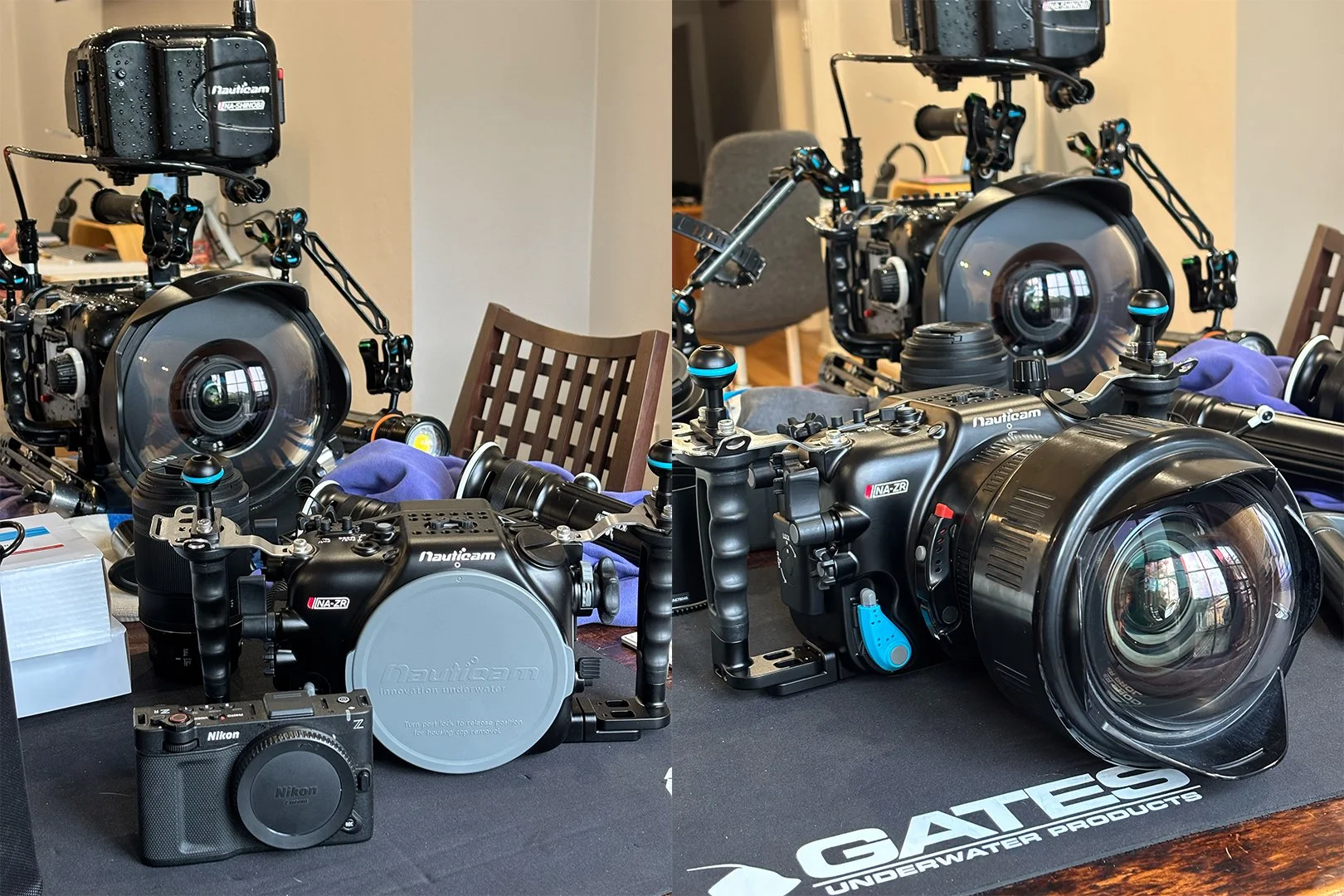
Thoughts on the NIKON ZR in Film Production
Alright, I think Nikon may have accidentally made one of the most useful filmmaking cameras currently available.
After spending a significant amount of time working with the Nikon ZR alongside my RED V-Raptor 8K, I've come to see it as a genuinely valuable tool for professional filmmakers. It isn't designed to replace a dedicated cinema camera, but rather to complement one. What impressed me most was how seamlessly it integrates into an existing production workflow, while still delivering impressive image quality, flexibility, and features in such a compact package.
What's interesting isn't necessarily any single feature. It's how all of the features come together.
Because while there are plenty of cameras that shoot beautiful images, very few cameras fit seamlessly into an existing professional cinema workflow while also remaining small, lightweight, affordable, and practical enough to become an everyday workhorse.
And that's exactly where the Nikon ZR shines.
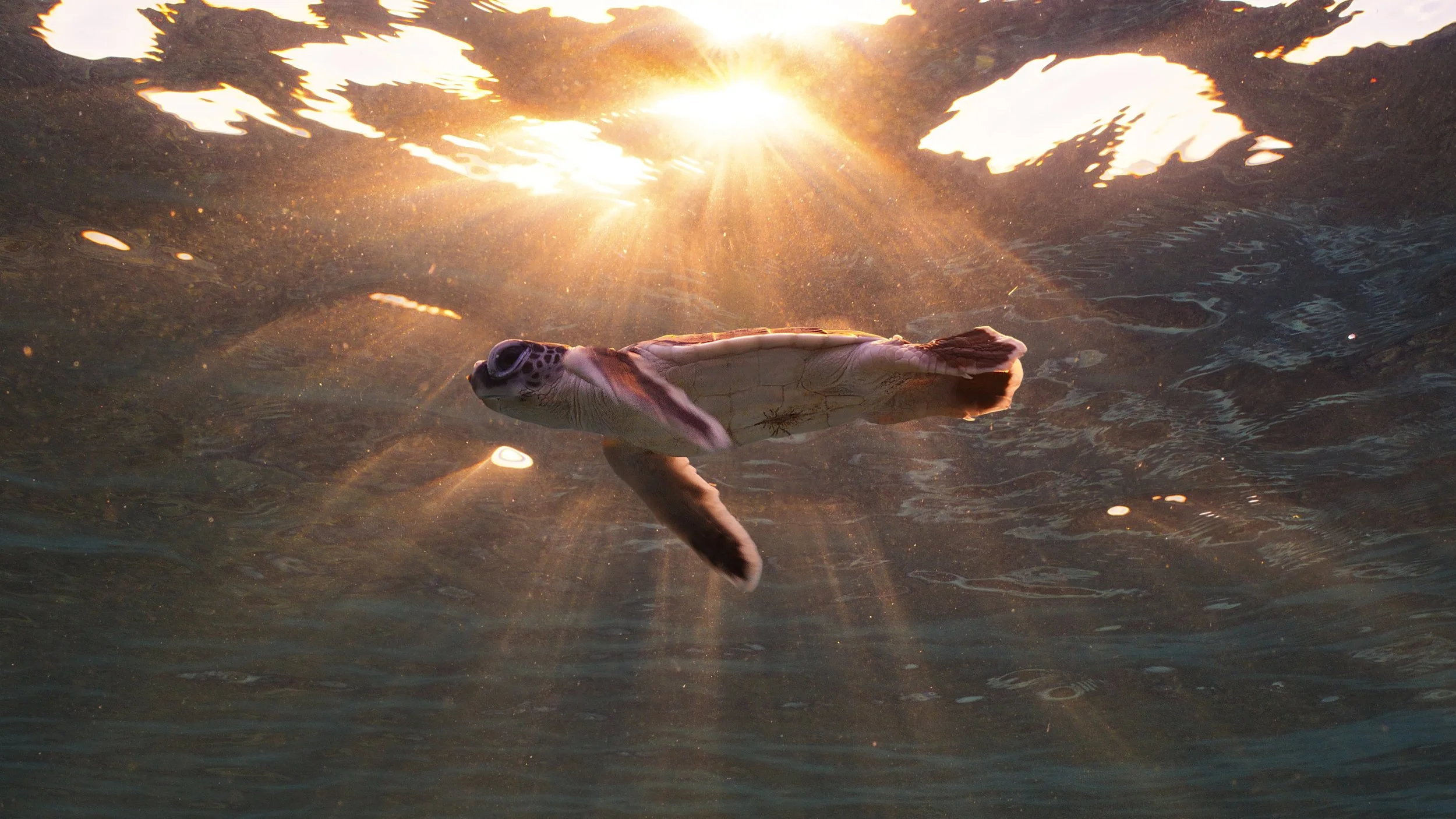
Filming Green Sea Turtle Hatchlings in Open Water – Great Barrier Reef in 8K
I’ve spent close to 400 days filming green sea turtle hatchlings on the Southern Great Barrier Reef.
It sounds excessive until you try to line everything up.
The nests erupt. The hatchlings reach the water. But if you want something more than a shoreline moment, you have to stay with them.
We swim with them for kilometres, tracking them off the reef flats and into deeper water, so we can film them where their real journey begins. In the open ocean.
That’s where the real magic starts.
Leaving the Reef Flats
The reef flats are chaotic. Surge, breaking waves, shallow sand movement, and constant predators. It’s raw and unpredictable.
But once a hatchling clears the reef edge and the bottom drops away, everything changes. The water turns deep blue. Light rays start cutting through the surface. The scale becomes obvious. A hatchling only a few centimetres long suspended over open water feels completely different to one scrambling through the shallow reef flats.
To film that moment consistently takes repetition.
Tide has to be right so they push straight out instead of sideways (and so we can get our 20-30kg camera’s into the water and swim with them!). Conditions need to be calm enough for visibility. The sun needs to be low enough for clean shafts of light to break the water. And the hatchlings have to keep swimming, and not become prey.
Most of the time, one of those elements doesn’t line up.
That’s why it takes years.