
Making your first short film beginner tips
If you’re a filmmaker a lot of your business likely comes from shooting corporate films, whether that be interviews with exciting brands, product commercials or tourism videos, all of which have a pretty set list of deliverables and are designed more likely than not to be utilised by a marketing team to turn a profit. This is all well and good and it’s the nature of the film business, one I actually really enjoy working in, but at times these somewhat restrictive guidelines can get in the way of our creativity.
This is where your first short film comes in. A blank canvas for you to tell whatever story you like.
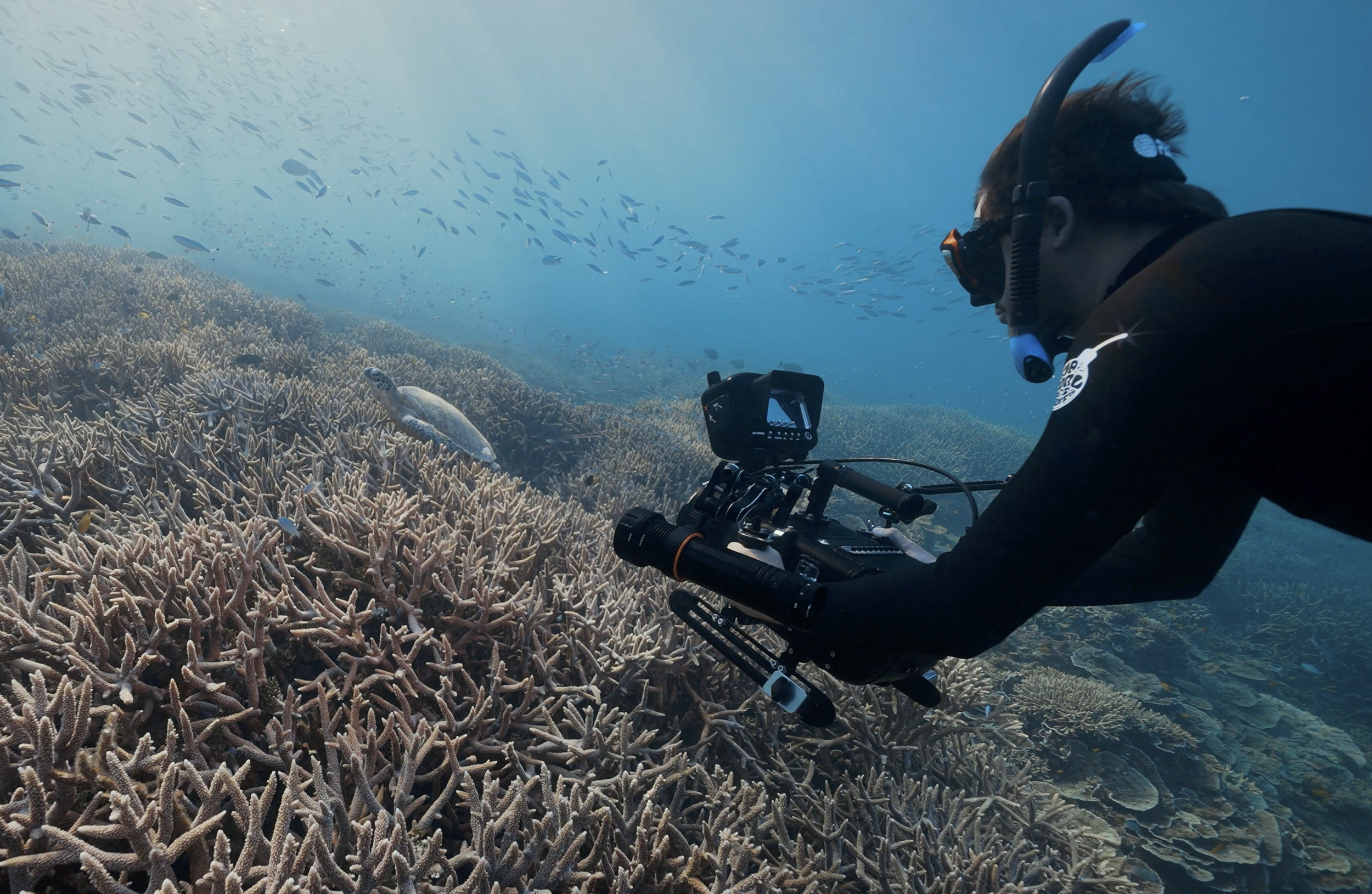
Making your first short film may seem a bit overwhelming at first, but it's actually an incredibly exciting opportunity. You have the chance to exercise your creative freedom and bring your vision to life. Plus, you get to use your skills to craft something you'll truly be proud of. Additionally, having a few award winning short films behind your name can really boost your career, and put your name and work in front of some respected film producers in your field.
I consider myself fairly lucky in the sense that my day job is as an underwater cinematographer, and as an ocean lover I am extremely passionate about filming the underwater world. But even though I absolutely love what I do, being able to craft my own story is truly a fantastic experience. Additionally, I am able to leverage the contacts and footage that I have captured through my job to assist in crafting my own short films.
The first thing that you’re going to need if you’re looking to create your first short film is a good story, that follows a character or set of characters. Consider the theme, characters, and the message you want to convey. What story do you want to tell?
For underwater filmmakers, organisations like coral restoration groups, or marine biology teams are a great starting point for interesting stories. If you’re able to use your story to take your audience on a ride, your film will have a much better reception. Keeping things simple, most documentary films will introduce the characters and location, they will introduce a problem, and the characters will try and resolve that problem. It’s a simple formula, but it follows a cohesive story that done correctly will captivate an audience.
Once you’ve identified the story that you’re looking to tell, my first piece of advice for any filmmakers out there who are looking to make their first short, and that is to keep things simple where possible, and leverage existing networks that you have created throughout your commercial work. Keeping your film ideas contained within the networks that you have already established and worked with commercially is a great way to simplify the planning process as you will likely have worked with these people before, and they’re far more likely to say yes to your film idea than if you were pitching it to somebody who doesn’t know your work. It will also likely help keep things like budgets under control.
If you have worked with them in the past, you may also have B-roll footage that you are able to repurpose which again will simplify the process.
Using my third short film as an example, it is a natural history documentary that follows the Sea Turtles Circle of life and their struggles. This is a story that takes place over 3 separate seasons, turtle hatchling season, turtle mating season, and turtle nesting season, and so far to capture the footage for this film we have spent a total of 7 weeks spread out over 2023 on Heron Island on The Great Barrier Reef, and we’re still not finished. Without working with an existing client, i.e. Heron Island, there is simply no way that we would have been able to source the budget to spend this long on location filming this story.
Keeping things simple, and working with people that you have already connected with will assist you in telling a grander story and keeping the budget realistic, as these people likely already know your work and are confident that the final film will be worth their time.
Once you’ve identified your story, your location and your characters, for your first few films I would suggest writing a script and a sample shot list. Even if your film will be directed by interview responses, writing a sample of the sort of interview dialogue you wish to capture will help keep your interview questions on track, and assist you in getting the information that you require to tell your ideal story. Of course things will always change and be slightly different, but having a basic understanding of the story structure, the scenes required to tell your story, and an ideal dialogue is critical in ensuring that your film is cohesive.
You can’t just turn up on location and start filming, hoping to capture to something interesting. And Nothing is worse than getting into the edit and realising that you missed a few key pieces of footage, or forgot to ask that all important interview question that would explain how the characters got from point A to point B.
Some planning, a sample dialogue and a shot list will help keep everything on track.
For short films and passion projects it’s also a great idea to work with your network of industry friends or colleagues. Share your work with others in the industry and get their feedback. If you know sound designers or colourists who are looking for some more passion projects for their portfolio, consider reaching out and seeing if they’re keen to jump onboard. The more people you can work with throughout this process, the more experience making these films is going to give you and the better your films are going to be.
We can dive so much deeper here, but I think I’m going to save discussion around film festivals and distribution for a later topic. Get out there and look for film ideas in your local area, and don’t go spending massive amounts of money on first project, keep it local as there are absolutely great stories to tell near you. That’s it for this one. I hope that you enjoyed your read, and I’ll catch you in the next one.