
Why you need to learn manual focus as a filmmaker
I hear this all the time from filmmakers starting out, with Mirrorless cameras like the Sony A7SIII and FX3 why would we ever need to bother learning manual focus?
And to that, I ask you have you ever finished shooting a project and jumped into the edit, only to notice that some of your favourite shots are ruined by a distracted or jumpy autofocus system or that in an essential moment of footage your autofocus was locked onto the wrong target? And given no other option, you’re either forced to use to the out of focus footage or delete the whole scene.
It's moments like this that originally drove me to learning manual focus many years ago, for situational moments where I knew my autofocus system wasn’t going to perform well, and today, this among a large range of other reasons is why I shoot almost all of my footage using manual focus.
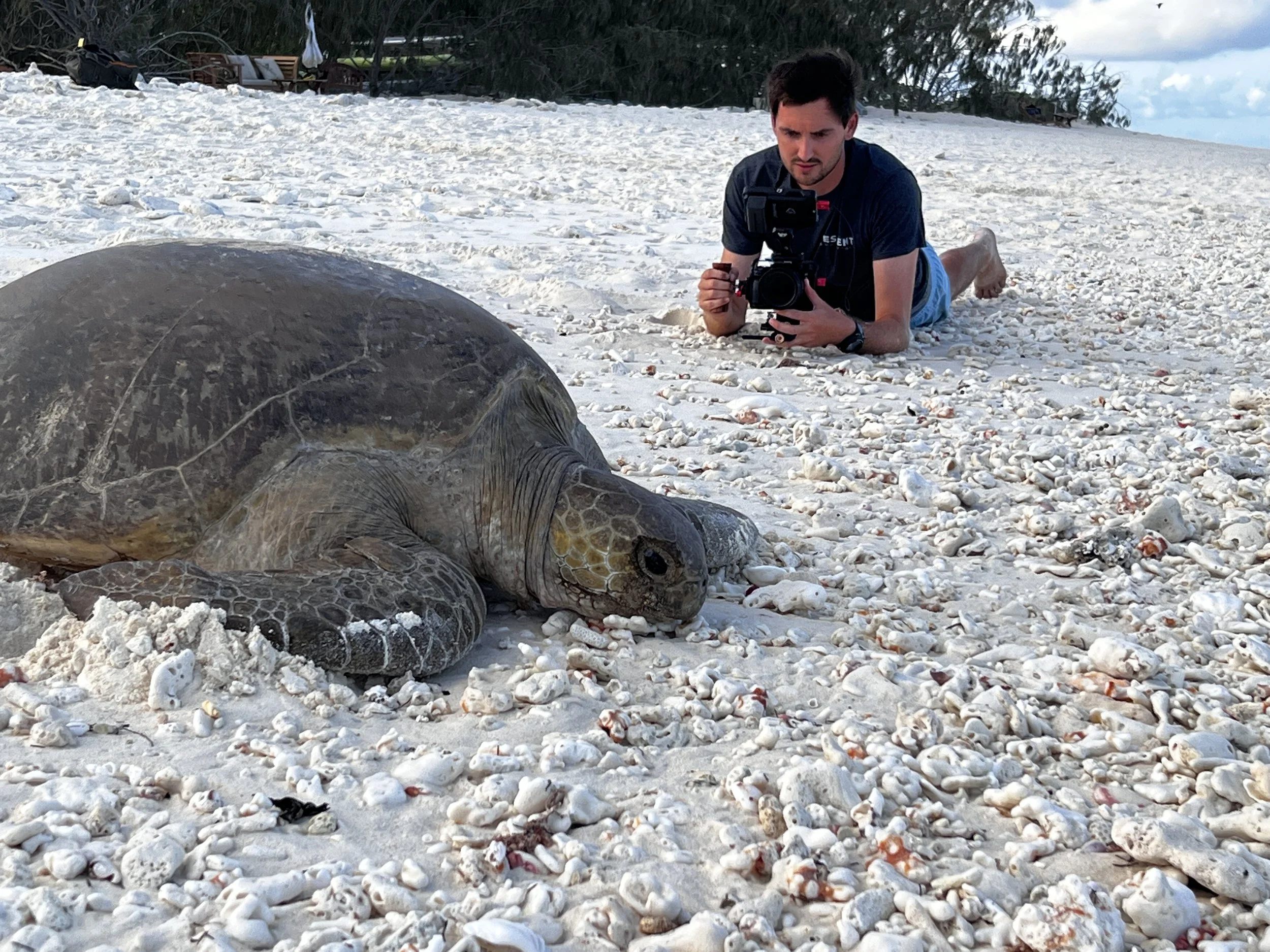
So, like many of you, I used and relied solely on autofocus for years, particularly when starting out with my career. I was heavily invested in the latest and greatest autofocus tech, and autofocus performance formed a large part of my purchasing decisions, buying cameras like the Sony A7SIII and FX3, which I still do use all the time and they produce a beautiful image.
But even with the world’s best autofocus systems, I kept encountering moments in my footage where the focus would hunt between subjects, or would just outright lock onto the wrong subject. No matter how attentive I was to focusing, I kept finding instances whether filming tourism films, underwater wildlife or music festivals, where focus problems would ruin or impair my footage. For anyone like me who is an absolute perfectionist, even the slightest focus hunt, or focus shift when talent would enter frame would bring me right out of the action and give my footage a very unnatural feel.
For this reason, many years ago I started slowly learning to use manual focus, one scene type at a time, implementing these manual focus moments into my projects alongside autofocus, and gradually used it more and more until I almost never had rely on autofocus anymore.
Don’t get me wrong, autofocus is an incredible tool and it has its place, but it shouldn’t be something that you outright rely on, as for a variety of situations it is simply not as good as manual focus, and it absolutely is holding you back.
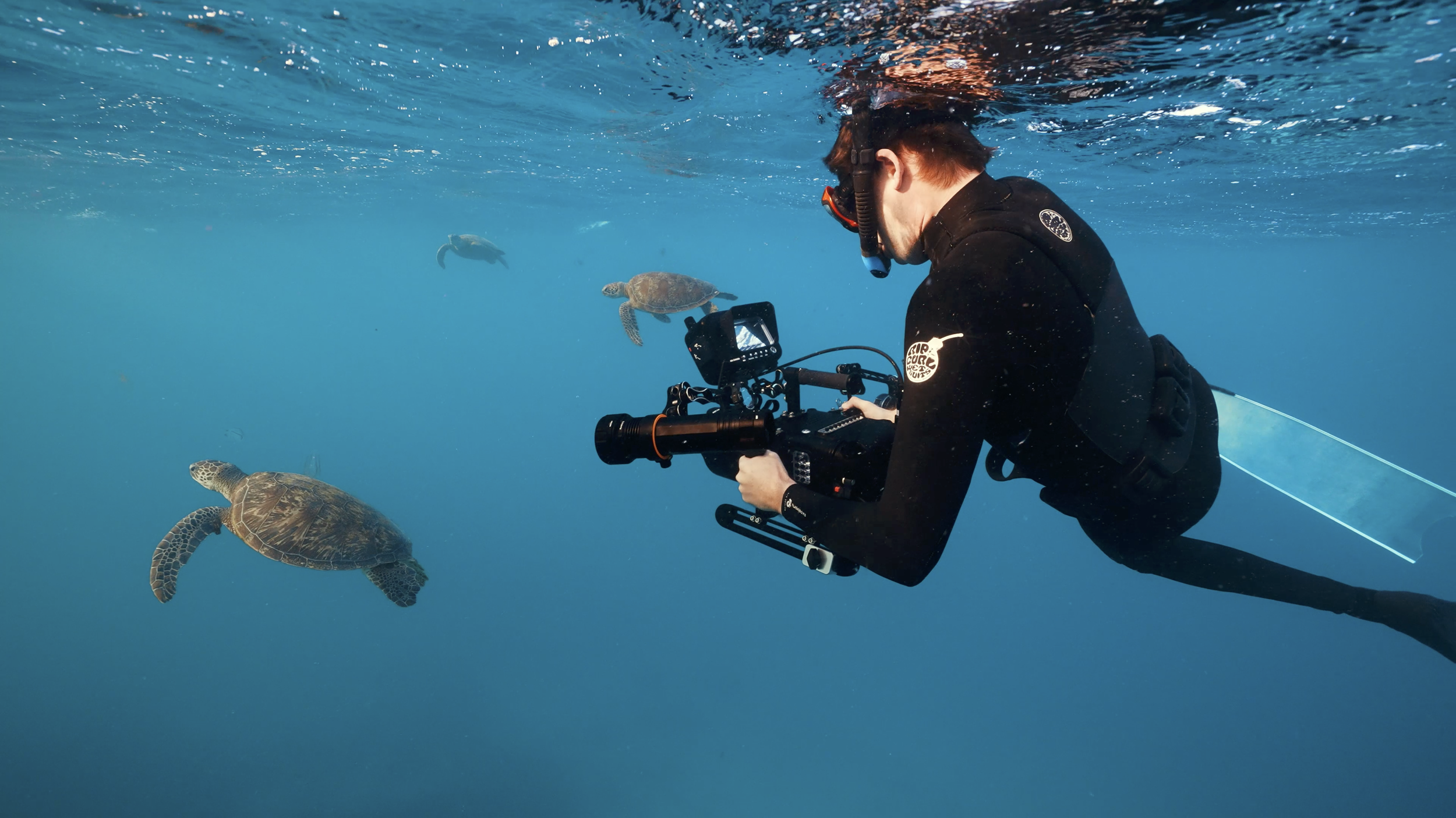
There’s a reason cinema cameras, like the RED I’m now using often don’t have autofocus, and it’s because autofocus often gives a very unnatural feel to the footage, with any imperfections or jumps in focus giving a very robotic feel, which removes a lot of the audiences immersion. On the flip side manual focus imperfections are often far more forgivable, as they look and feel natural. Even the most intense manual focus hunting, won’t look as robotic as an autofocus system hunting or racing to catch up.
Being able to manually focus also allows complete creative freedom over your cinematography, and allows you to utilise different film techniques like focus racking, in addition to being able to work in fast paced documentary environments.
But most importantly, learning manual focus is an essential skill to learn if you are interested in working in a commercial or documentary environment. These higher end productions almost solely rely manual focus, and cinema cameras and cinema lenses do not support autofocus systems. So if you are looking to enhance your filmmaking and cinematography and work in these environments, then this is something you definitely have to learn.
But don’t let it scare you. Learning manual focus is not that hard.
When I started out years ago I had this establishing location shot I really liked to do in tourism edits and I loved filming it as wide as I could at f2.8. It was a low crane style shot using a gimbal, where the talent would start out of frame and as I raised the camera, the talent would enter frame, and from here the story would continue focusing on the talent in the location.
My issue was that autofocus could never naturally pull this shot off, and it would always jump from the background location to the talent in weird moments, in a very unnatural way, or would just stay locked onto the closest thing in the frame, which was often the ground. This was my first real introduction to manual focus, where I would set the focus on the talent at the peak moment where their face would become visible. From here I integrated this style of shot into a few different scenarios, and would use manual focus for these scenes.
If you’re an underwater filmmaker who has ever tried to shoot a split shot, the same thing happens and autofocus will just latch onto the closest thing in the frame, the water line, leaving your entire shot out of focus. Using the same principle of setting the focus on the subject, will allow you to capture shots that autofocus just can’t handle.
If you’re scared about making mistakes setting the focus, you can even use autofocus first to capture focus at your peak moment and then lock it off.
Most mirrorless cameras and monitors nowadays have focus assist tools as well, such as focus peaking, that when using manual focus will highlight and identify in red what areas of your frame are in focus. Some higher end cameras like my RED will have additional tools like edge focus features as well. These tools are unbelievably helpful in mastering focus manually, and quickly allow you to verify that your subject is in fact in focus.
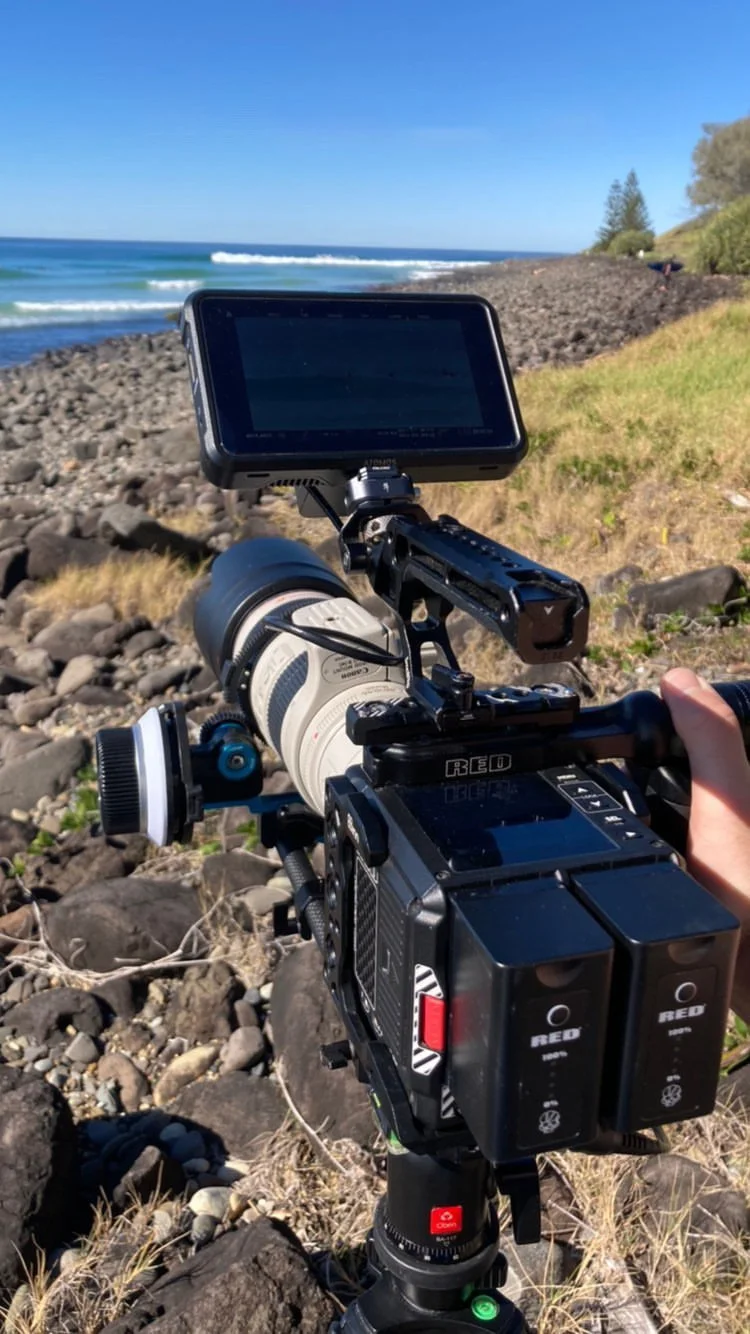
Once I started seeing the use of manual focus, I purchased a cheap follow focus second hand for $30, and this has lived on my rig ever since. I would highly suggest getting something like this if you are looking to learn manual focus, or level up your cinematography, as it does make pulling focus so so much easier than awkwardly trying to adjust focus on the lens. It also allows you to support your camera while focusing, and thus assists holding the camera stable.
Simply this is just a set of gears attached to a large comfortable and easy to operate knob, that allows for far more convenient, and smooth focus pulling. Almost all of these systems attach to your camera rig via 15mm rods, which are industry standard.
Even if you use autofocus, If it’s on your rig, you’ll use it far more often than you think, and you should start to realise that manual focus isn’t something to be scared of, it’s something to embrace.
Now I shoot pretty much everything completely manual, and it’s opened a variety of higher end doorways, where I am now using my RED with cinema lenses on much higher end projects that of course require manual focus.
It’s not that hard to learn, and while it may seem daunting, edging into slowly and learning it will make you a much better cinematographer.
Anyways this is where I’m going to leave this one, I hope you enjoyed!